

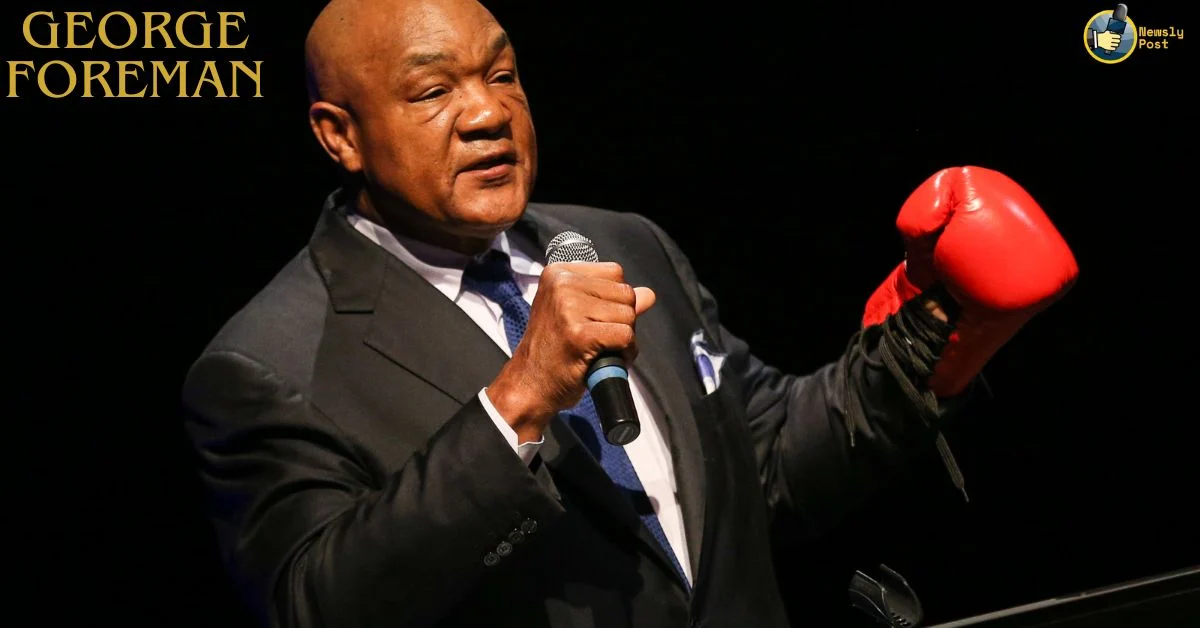
George Foreman was one of the greatest heavyweight boxers in history and a successful entrepreneur whose influence extended far beyond the boxing ring. Known for his incredible punching power, Olympic gold medal victory, and historic world heavyweight championships, Foreman built a legacy that inspired millions of sports fans worldwide. His remarkable comeback in the 1990s made him the oldest heavyweight champion in boxing history and cemented his place among the sport’s all-time legends.
Beyond boxing, George Foreman became a business icon through the massive success of the George Foreman Grill, which generated millions in royalties and endorsements. As of 2026, George Foreman’s net worth is estimated at around $300 million, reflecting decades of success in sports, business, investments, and branding. His journey from a troubled childhood to a global superstar remains one of the most inspiring stories in both athletics and entrepreneurship.
Profile Summary
| Profile Summary | Details |
| Full Name | George Edward Foreman |
| Known As | George Foreman |
| Date of Birth | January 10, 1949 |
| Date of Death | March 21, 2025 |
| Age at Death | 76 Years |
| Birthplace | Marshall, Texas, United States |
| Nationality | American |
| Profession | Professional Boxer, Entrepreneur, Minister, Author |
| Famous For | Two-Time Heavyweight Champion and George Foreman Grill |
| Net Worth (2026) | Estimated $300 Million |
| Height | 6 feet 4 inches (1.93 m) |
| Weight | Approximately 220 lbs (100 kg) |
| Marital Status | Married |
| Spouse | Mary Joan Martelly |
| Children | 12 |
| Olympic Achievement | Gold Medalist, 1968 Mexico City Olympics |
| Professional Record | 76 Wins, 5 Losses |
| Knockout Wins | 68 |
| Major Rivals | Muhammad Ali, Joe Frazier, Ken Norton, Evander Holyfield |
| Main Income Sources | Boxing, Grill Royalties, Endorsements, Investments |
| Hall of Fame | International Boxing Hall of Fame |
| Legacy | Boxing Legend, Business Icon, Philanthropist |
George Foreman Net Worth 2026
George Foreman’s net worth in 2026 is estimated at approximately $300 million, making him one of the wealthiest boxers in history. While he earned substantial purses during his legendary boxing career, the majority of his fortune came from business ventures, particularly the highly successful George Foreman Grill. Over the years, his wealth grew steadily through grill royalties, endorsement deals, public appearances, investments, and media opportunities.
The grill alone generated hundreds of millions of dollars and transformed him into a global business icon. In addition to his entrepreneurial success, Foreman invested in real estate and other assets that strengthened his financial position. His journey from heavyweight champion to millionaire entrepreneur remains one of the greatest wealth-building success stories in sports history.
George Foreman Earnings & Financial Breakdown
George Foreman built his impressive fortune through multiple income streams over several decades. During his boxing career, he earned millions in fight purses from championship bouts and high-profile matches against legends such as Muhammad Ali, Joe Frazier, and Evander Holyfield. However, the largest portion of his wealth came from the George Foreman Grill, which generated enormous royalties and endorsement income after becoming a worldwide bestseller.
The grill’s success reportedly earned him far more than his boxing career ever did. In addition to endorsements, Foreman invested in real estate, business ventures, and financial assets that helped grow his wealth. His smart financial decisions and strong personal brand transformed him from a sports champion into one of the most successful athlete-entrepreneurs in history.
Early Life and Childhood
George Foreman was born on January 10, 1949, in Marshall, Texas, and spent much of his childhood growing up in Houston’s Fifth Ward. Raised in a large working-class family, he faced financial hardships and a challenging environment during his early years. As a teenager, Foreman struggled with discipline, dropped out of school, and often found himself heading down the wrong path.
Seeking a better future, he joined the Job Corps program, which became a turning point in his life. It was there that he discovered boxing and began training under experienced coaches who recognized his natural talent and strength. This opportunity gave him purpose, confidence, and direction, setting the foundation for his future success as an Olympic champion and boxing legend.
Education and Amateur Boxing Career
George Foreman’s education took an unconventional path as he left school during his teenage years and struggled to find direction. His life changed when he joined the Job Corps, a government-sponsored program that provided training, discipline, and new opportunities. While participating in the program, he discovered boxing and quickly showed exceptional talent.
Under the guidance of experienced coaches, Foreman advanced rapidly through the amateur ranks, earning recognition for his strength and determination. His hard work paid off when he represented the United States at the 1968 Mexico City Olympics and won a gold medal in the heavyweight division. This remarkable achievement brought him international attention and marked the beginning of a legendary boxing career that would later make him one of the sport’s greatest champions.
Professional Boxing Career
George Foreman turned professional in 1969 following his Olympic gold medal victory and quickly established himself as one of boxing’s most powerful fighters. His aggressive style and devastating knockout power helped him rise through the heavyweight ranks. In 1973, he won the world heavyweight championship by defeating Joe Frazier in a dominant performance.
Foreman later participated in some of the most memorable fights in boxing history, including his legendary bout with Muhammad Ali in the 1974 “Rumble in the Jungle.” He also faced top heavyweight contenders such as Ken Norton and, during his historic comeback years, Evander Holyfield. These rivalries and championship battles helped build Foreman’s reputation as one of the greatest heavyweight champions and most respected figures in boxing history.
The Historic Comeback
George Foreman’s return to boxing is considered one of the greatest comeback stories in sports history. After retiring from the ring in 1977, he spent several years focusing on his faith, ministry, and community work. In 1987, Foreman surprised the boxing world by announcing his comeback at the age of 38. Many critics doubted his chances, but he remained determined and gradually worked his way back into title contention.
His greatest achievement came in 1994 when he defeated Michael Moorer to reclaim the heavyweight championship at age 45, becoming the oldest heavyweight champion in boxing history. This remarkable accomplishment inspired millions worldwide and proved that perseverance, discipline, and self-belief can overcome age-related barriers and lead to extraordinary success.
George Foreman Grill Success Story
The George Foreman Grill became one of the most successful celebrity-endorsed products ever created. The opportunity began in the 1990s when Foreman partnered with the makers of the Lean Mean Fat-Reducing Grilling Machine. His friendly personality, credibility, and widespread popularity helped make the product an instant hit with consumers. The grill promoted healthier cooking by reducing excess fat, which appealed to millions of households worldwide.
As sales skyrocketed, more than 100 million units were sold globally, generating enormous royalties and endorsement income for Foreman. Reports indicate that he earned hundreds of millions of dollars from the brand, far exceeding his boxing earnings. The grill’s convenience, health benefits, and strong marketing transformed it into a global success and business phenomenon.
Business Ventures Beyond Boxing
After retiring from boxing, George Foreman successfully transitioned into a wide range of business ventures that significantly expanded his wealth and public influence. His entrepreneurship journey was defined by smart partnerships, especially the highly successful George Foreman Grill, which became a global household product. Beyond endorsements, Foreman invested in real estate and various business opportunities that helped diversify his income streams.
He also made frequent media appearances, including interviews, commercials, and television shows, which strengthened his personal brand. In addition to business and entertainment, Foreman dedicated much of his time to ministry and public speaking, sharing his faith and life experiences with audiences worldwide. His ability to succeed in sports, business, and public life makes him a true example of long-term entrepreneurial success.
George Foreman’s Personal Life
George Foreman’s personal life was deeply rooted in family values, faith, and responsibility. He was married to Mary Joan Martelly, and together they built a large family with twelve children. Foreman was known for being a devoted father who placed strong emphasis on education, discipline, and moral guidance. Interestingly, he named several of his sons George Edward Foreman, reflecting his unique sense of identity and family unity. Despite his fame and success, he always prioritized spending time with his children and maintaining close family bonds.
Faith played a central role in his life, as Foreman became an ordained minister after his initial retirement from boxing. He often spoke about how his religious beliefs helped him stay grounded and overcome challenges. His personal life reflected humility, devotion, and a strong commitment to both family and spirituality.
George Foreman Height, Weight and Physical Appearance
George Foreman was known for his powerful and imposing physical presence inside the boxing ring. He stood at an impressive height of 6 feet 4 inches (1.93 meters), which gave him a strong reach advantage over many of his opponents. During his prime boxing years, his weight typically ranged around 220 pounds (100 kilograms), reflecting his muscular and heavyweight build.
Foreman’s athletic physique was defined by strength, endurance, and explosive power, which contributed to his reputation as one of the hardest punchers in boxing history. His broad shoulders, strong frame, and physical dominance made him a formidable competitor throughout his career. Even during his comeback years, he maintained a solid and powerful build, proving his ability to compete at an elite level despite his age. His physical presence remains one of the most recognizable aspects of his legendary boxing identity.
George Foreman Car Collection
George Foreman had a notable interest in automobiles, and his car collection reflected his success as a world champion boxer and entrepreneur. Over the years, he owned several luxury cars that showcased his taste for comfort, performance, and style. His garage reportedly included high-end models from brands such as Ferrari, Ford, and Chevrolet, along with other premium vehicles that highlighted his financial success.
Foreman also appreciated classic vehicles, often valuing timeless designs and powerful engines. His collection included rare and vintage cars that added uniqueness to his lifestyle. While he was not known for an excessively flashy collection, his vehicles represented a balance of luxury and practicality. These automobiles became part of his overall assets and contributed to his image as a successful athlete who enjoyed the rewards of hard work and business success.
Real Estate and Assets
George Foreman built a strong financial portfolio that included valuable real estate and diverse assets. Over the years, he owned multiple homes in the United States, reflecting his success as a world champion boxer and entrepreneur. His properties were known for offering comfort, privacy, and space for his large family, aligning with his lifestyle as a father of twelve children.
In addition to real estate, Foreman accumulated significant assets through business ventures, especially his earnings from the George Foreman Grill and endorsement deals. His investments and long-term financial planning helped him maintain lasting wealth even after retiring from boxing. Despite his fortune, he was not widely known for extravagant spending, preferring a stable and family-focused lifestyle. His assets and property holdings played an important role in strengthening George Foreman’s overall net worth and financial legacy.
Awards and Achievements
George Foreman earned numerous awards and achievements throughout his boxing and business career. He won an Olympic gold medal in 1968, marking the beginning of his rise to global fame. As a professional boxer, he became a two-time world heavyweight champion, defeating top fighters and building a legendary record. His dominance in the ring earned him a place in the International Boxing Hall of Fame, recognizing his lasting impact on the sport.
Beyond boxing, Foreman received widespread business recognition for the success of the George Foreman Grill, which became a global best-selling product. His achievements reflect excellence in athletics, entrepreneurship, and public influence, making him one of the most respected and successful sports figures in history worldwide sporting legacy forever.
Interesting Facts About George Foreman
- George Foreman won an Olympic gold medal in 1968 before turning professional, marking the start of his legendary boxing career.
- He became a two-time world heavyweight champion, with a 21-year gap between his titles, one of the longest comebacks in sports history.
- Foreman famously lost to Muhammad Ali in the “Rumble in the Jungle,” one of boxing’s most iconic fights.
- After retiring, he became an ordained Christian minister and focused on preaching and community service.
- The George Foreman Grill made him far more money than his boxing career, earning him hundreds of millions in royalties.
- He named several of his sons George Edward Foreman, showing his unique approach to family identity and legacy.
George Foreman’s Legacy
George Foreman’s legacy extends far beyond his achievements inside the boxing ring. In boxing, he is remembered as one of the greatest heavyweight champions of all time, known for his devastating punching power, Olympic success, and historic comeback as the oldest heavyweight champion. His influence on athletes is significant, as his story of discipline, resilience, and reinvention continues to inspire generations of sports professionals around the world.
Beyond sports, Foreman became a powerful example of business success through the George Foreman Grill, which transformed him into a global entrepreneur and earned him immense wealth. His ability to transition from athlete to businessman set a new standard for sports branding. Culturally, Foreman remains an iconic figure representing perseverance, faith, and long-term success, leaving a lasting impact on both sports history and popular culture worldwide.
George Foreman Death and Tributes
George Foreman passed away in 2025 at the age of 76, marking the end of an era for one of boxing’s greatest legends. His death was met with widespread sadness across the sports world, as fans, athletes, and public figures paid tribute to his extraordinary life and achievements. Foreman was remembered not only for his accomplishments in the ring but also for his inspiring comeback and successful business career.
His family released a heartfelt statement expressing deep grief while also celebrating his life, legacy, and values of faith, discipline, and love. They requested privacy during their time of mourning. Global reactions poured in from fellow boxers, celebrities, and sports organizations, honoring his contributions to boxing and culture. Tributes highlighted his powerful legacy as a champion, entrepreneur, and role model who inspired millions worldwide.
George Foreman’s Lasting Financial Legacy
George Foreman’s lasting financial legacy reflects his exceptional ability to manage and grow wealth beyond his boxing career. Through smart wealth management, he diversified his income into endorsements, business ventures, and long-term investments, ensuring financial stability for decades. His disciplined approach to money allowed him to maintain and expand his fortune even after retirement from professional sports.
Estate planning played an important role in securing his assets, with careful arrangements made to protect his properties, royalties, and business interests. Foreman’s family inheritance strategy ensured that his wealth would benefit his children and future generations. His long-term impact is evident in how he transformed athletic success into sustainable financial security. Today, George Foreman is remembered not only as a boxing legend but also as a model of financial intelligence and legacy building.
Conclusion
George Foreman’s journey from a challenging childhood to becoming a global sports and business icon is one of the most remarkable success stories in history. With an estimated net worth of around $300 million in 2026, his wealth reflects both his legendary boxing career and extraordinary business achievements. From winning Olympic gold and world heavyweight titles to building a multi-million-dollar empire through the George Foreman Grill, his success spans multiple industries.
His accomplishments in boxing, combined with his entrepreneurial vision, made him a rare figure who excelled both inside and outside the ring. George Foreman remains an icon in 2026 because of his resilience, comeback story, and ability to reinvent himself across generations. His legacy continues to inspire athletes, entrepreneurs, and fans worldwide, proving that determination and vision can create lasting greatness.
Frequently Asked Questions
What is George Foreman’s net worth in 2026?
George Foreman’s net worth in 2026 is estimated at around $300 million, earned through boxing, endorsements, and business ventures.
How did George Foreman make most of his money?
Most of George Foreman’s wealth came from the George Foreman Grill, along with endorsement deals and business royalties, rather than boxing.
How much did George Foreman earn from the George Foreman Grill?
He reportedly earned hundreds of millions of dollars from the grill through royalties and branding rights, making it his biggest income source.
What was George Foreman’s boxing record?
George Foreman finished his professional boxing career with 76 wins and 5 losses, including 68 knockouts.